Across industries in India, one shift is becoming increasingly clear. Organizations are no longer viewing training and operational readiness as support functions. They are treating them as strategic drivers of performance, safety, and scalability.
In this transition, Virtual Reality is moving from experimentation to execution.
For companies operating in high-risk, high-complexity environments, traditional training methods are reaching their limits. Classroom sessions lack realism. On-site training introduces risk and operational disruption. And digital modules often fail to create real behavioural change.
This is where VR development solutions are redefining how enterprises build capability.
The Shift from Learning to Experience
Training is no longer just about transferring knowledge. It is about creating experiences that prepare employees for real-world situations.
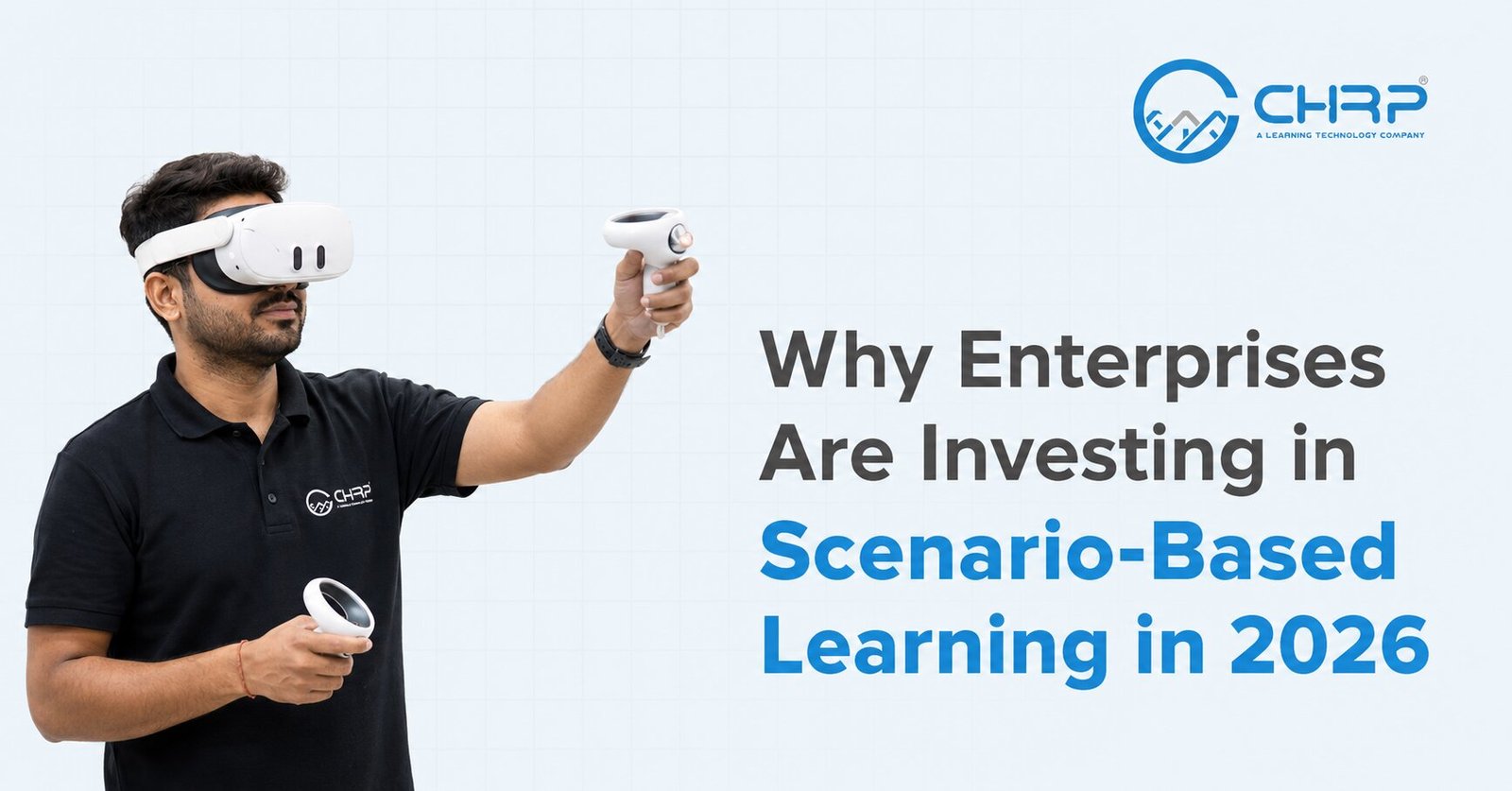
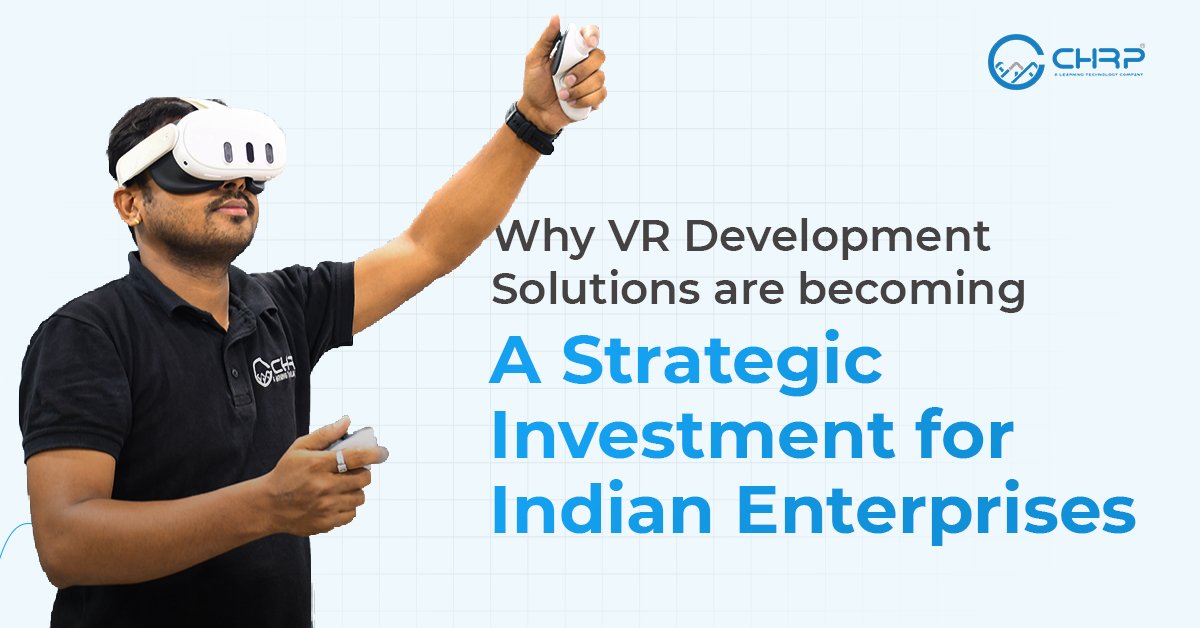
VR enables organizations to simulate environments that are otherwise difficult, dangerous, or expensive to recreate. Workers can step into realistic scenarios, make decisions, and understand consequences without exposure to actual risk.
This shift from passive learning to active experience is what makes VR fundamentally different.
Where VR Is Delivering Real Impact
Indian enterprises, especially in sectors like mining, construction, manufacturing, and energy, are adopting VR to solve very specific challenges.
Workplace Safety Training
Employees can experience hazardous situations such as equipment failures, confined space risks, or emergency evacuations in a controlled environment. This builds preparedness without compromising safety.
Skill Development in Complex Operations
From machinery handling to technical procedures, VR allows repeated practice until proficiency is achieved. This reduces dependency on physical resources and minimizes errors during real operations.
Standardization Across Locations
Large organizations often struggle with consistency in training across multiple sites. VR ensures that every employee receives the same high-quality, scenario-based learning experience.
Faster Onboarding
New hires can understand processes, environments, and expectations much faster when they are immersed in simulated work conditions instead of only theoretical instruction.
Why Enterprises Are Moving Beyond Traditional Methods
The limitations of conventional training approaches are becoming more visible as organizations scale.
- Real environments cannot always be used for training due to safety concerns
- Training sessions often interrupt operations
- Learning retention remains low in passive formats
- Measuring real impact is difficult
VR addresses each of these gaps by offering a controlled, measurable, and repeatable training environment.
The Business Value of VR Development Solutions
For decision-makers, the adoption of VR is not just about innovation. It is about measurable outcomes.
Organizations implementing VR-based training are seeing:
- Improved retention and faster skill acquisition
- Reduction in training-related incidents
- Lower long-term training costs through scalable deployment
- Better preparedness for high-risk scenarios
- Increased engagement compared to traditional learning formats
Over time, these improvements translate into stronger operational performance and reduced risk exposure.
What Defines an Effective VR Solution
Not all VR implementations deliver results. The effectiveness depends on how well the solution is designed and aligned with real business challenges.
Key factors include:
- Scenario design based on actual workplace conditions
- Alignment with industry safety standards and procedures
- Scalability across multiple locations and teams
- Integration with existing learning and development systems
- Focus on measurable outcomes, not just visual experience
This is where specialized VR development partners play a critical role.
CHRP-INDIA: Enabling VR at Scale
CHRP-INDIA has been working closely with enterprises to translate complex training challenges into immersive, scalable VR solutions.
With extensive experience in workplace safety and industrial training environments, the focus is not just on building simulations, but on creating solutions that deliver real impact.
From designing realistic hazard scenarios to enabling large-scale deployment across multiple operational sites, the approach is driven by execution and outcomes.
The goal is simple. Make training more effective, more consistent, and significantly safer.
Looking Ahead
As industries continue to evolve, the gap between traditional training and real-world readiness will only widen.
Organizations that invest in immersive technologies today are not just improving training. They are building a workforce that is better prepared, more confident, and capable of handling complex challenges.
VR development solutions are no longer a future concept. They are becoming a core part of how modern enterprises operate, train, and grow.