×

CHRP-INDIA Portal

If you face any difficulties while logging-in, bring it to our notice by sending an
email to itdesk@chrp-india.com With your employee code.

Open for Business

Business Days: Mon to Sat
Working Hours: 9:00 to 19:00 IST
For Inquiries:
General inquiries: +91 040 29561212
HR inquiries: +91 9704 344 092
Sales: +91 8008 987 948

Mixed Reality Solutions for Advanced Industrial Training and Collaboration

Mixed Reality (MR) seamlessly blends physical environments with interactive digital content, enabling users to view, manipulate, and collaborate with virtual objects anchored in real-world spaces. CHRP-INDIA designs and delivers enterprise-grade Mixed Reality solutions for advanced training, collaborative planning, and complex operational workflows where spatial accuracy, situational awareness, and real-time interaction are critical.

Our MR applications are purpose-built for high-value, high-complexity industrial environments—supporting safer operations, faster decision-making, and improved execution across the asset lifecycle.

MR vs AR vs VR

Mixed Reality bridges the gap between visualization and real-world interaction, making it ideal for complex industrial use cases.

Virtual Reality (VR)

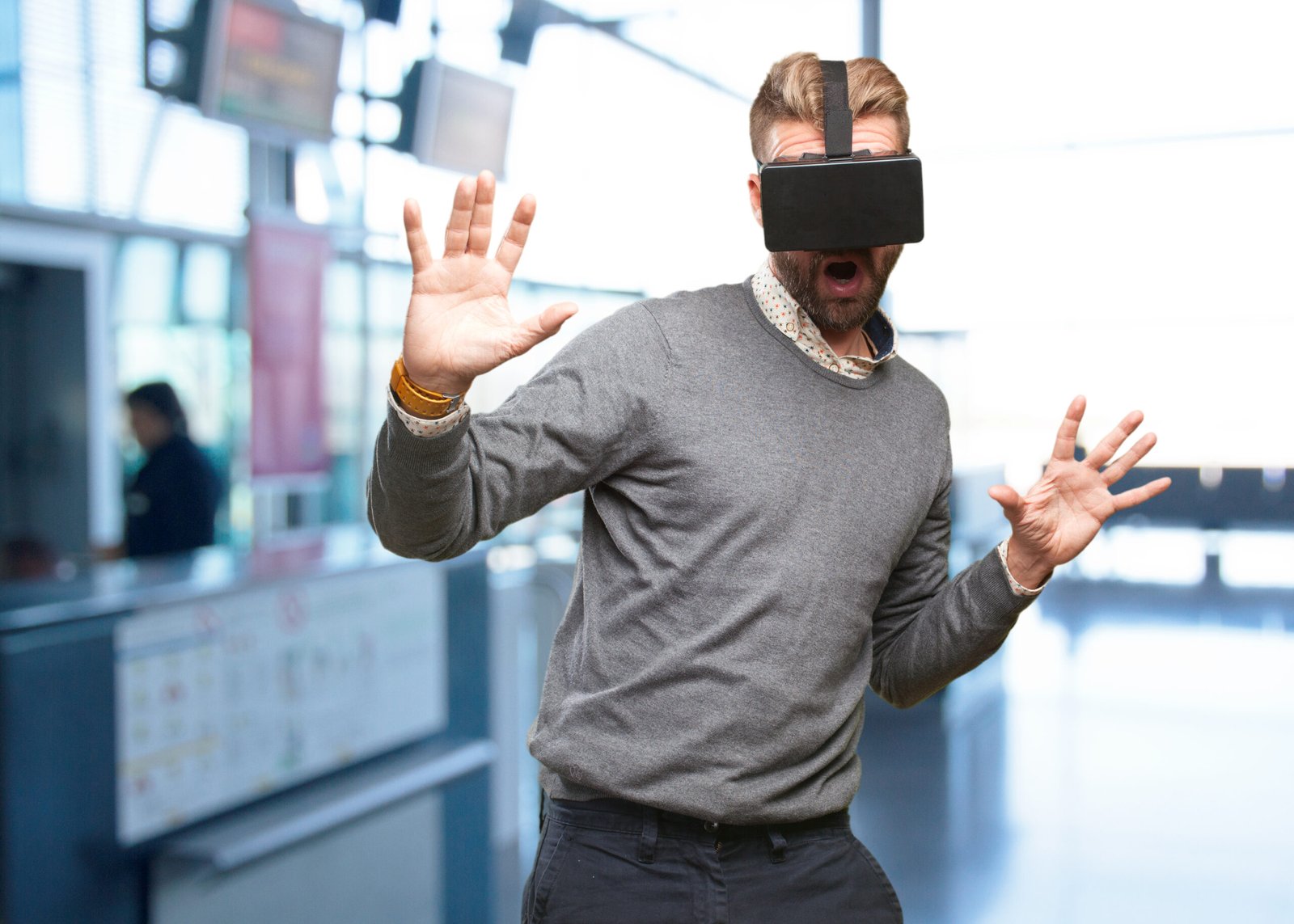
· Virtual Reality (VR): Fully immersive, digitally simulated environments that isolate users from the physical world. Best suited for controlled simulations and scenario-based training.

Augmented Reality (AR)

Digital information layered onto the real world, typically through mobile devices or smart displays. Useful for basic guidance and visualization.

Mixed Reality (MR)

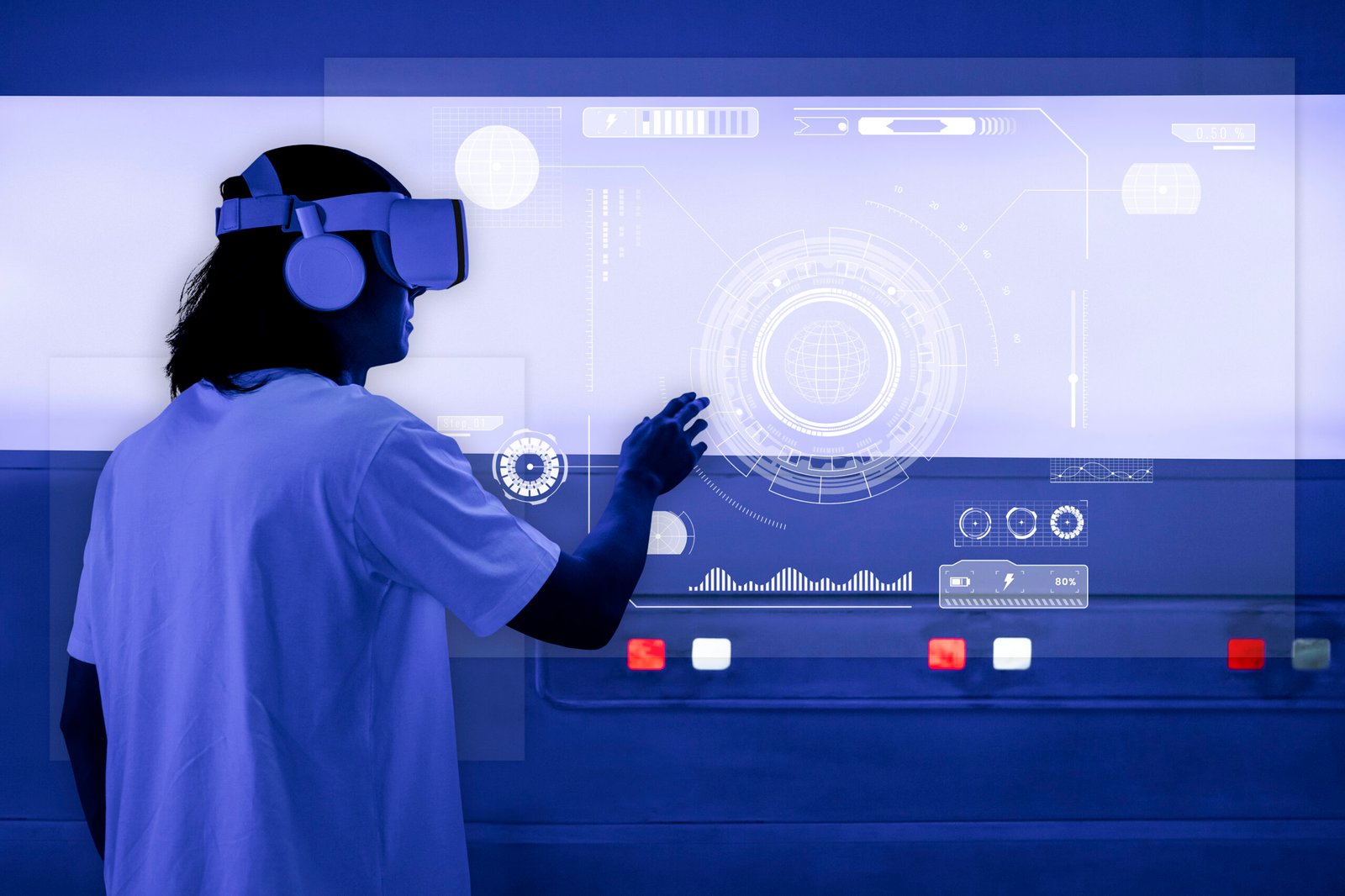
Interactive digital content anchored to the real world, enabling users to engage with virtual objects as if they were physically present.

Core Business Benefits of Mixed Reality

Organizations adopt Mixed Reality to solve challenges that traditional training, planning, and visualization methods cannot address. Key benefits include:

  • Improved operational accuracy through real-time visual guidance
  • Reduced errors, rework, and downtime
  • Enhanced collaboration between distributed teams
  • Faster training and improved skill retention
  • Better decision-making through spatial understanding
  • Safer execution of high-risk tasks

Mixed Reality Applications

Advanced Technical Training

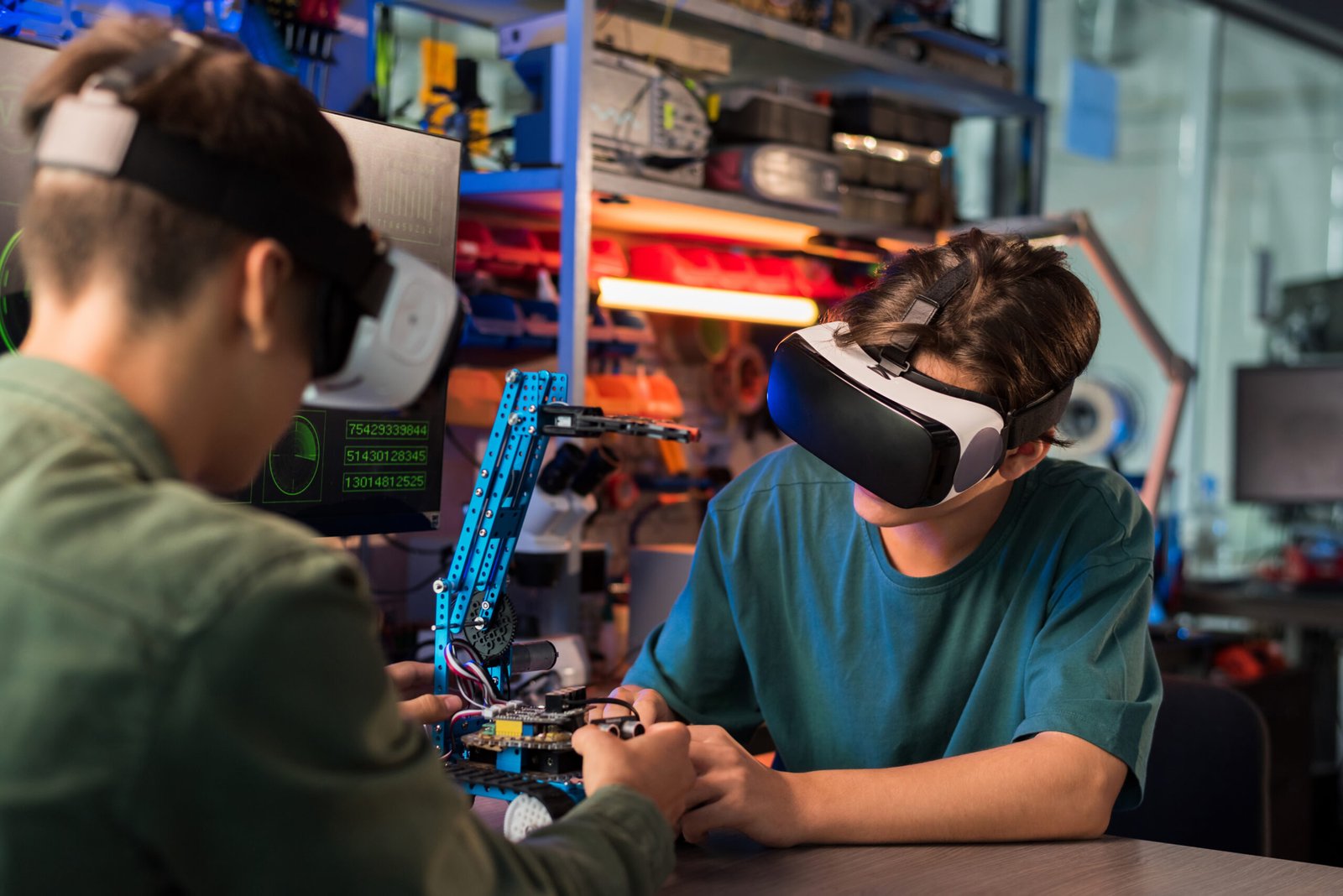
Mixed Reality enables hands-on learning by allowing trainees to interact with virtual equipment, systems, and workflows within real environments. This supports deeper understanding of complex processes, faster onboarding, and improved competency in technical and safety-critical roles.

Collaborative Planning & Design Reviews

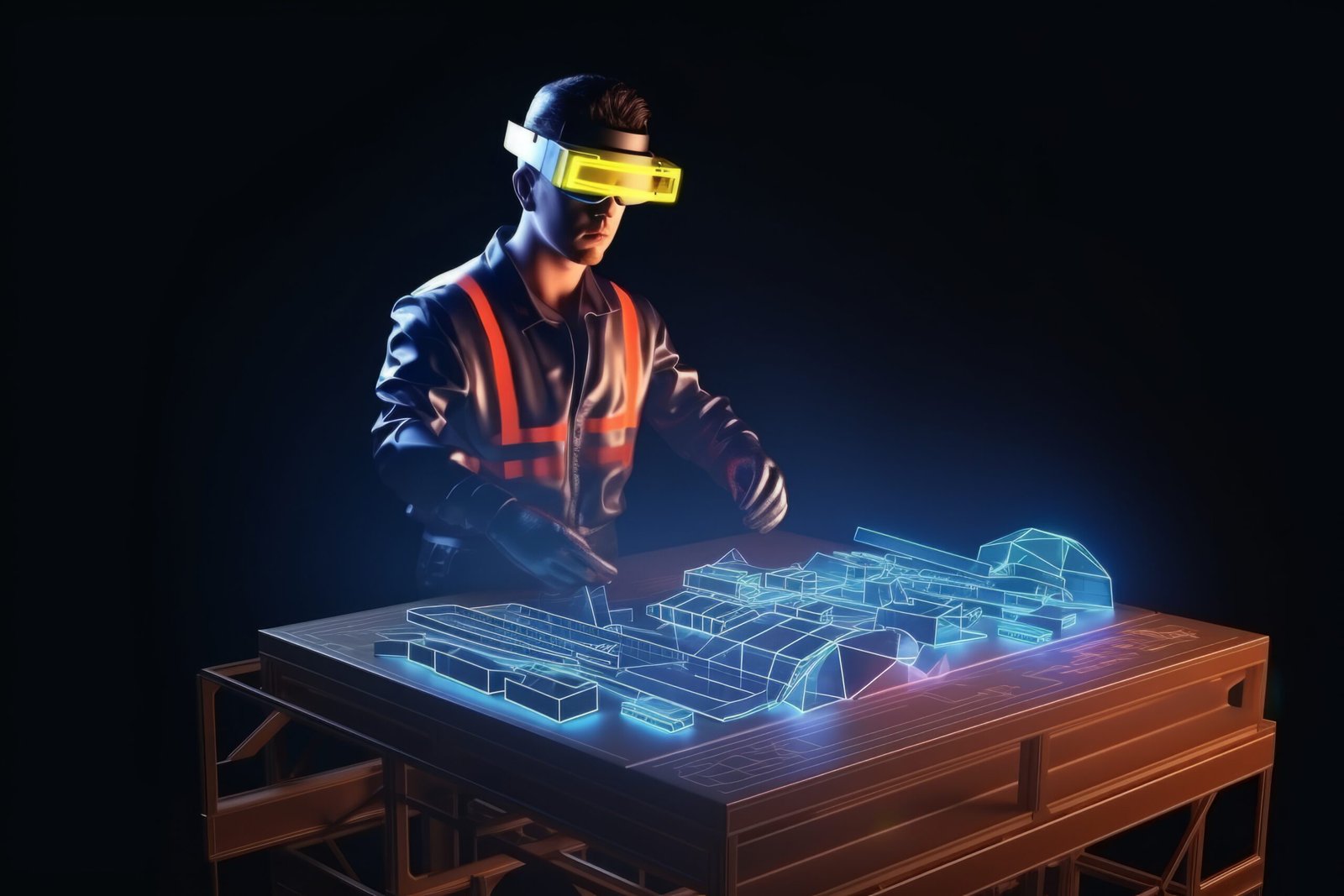
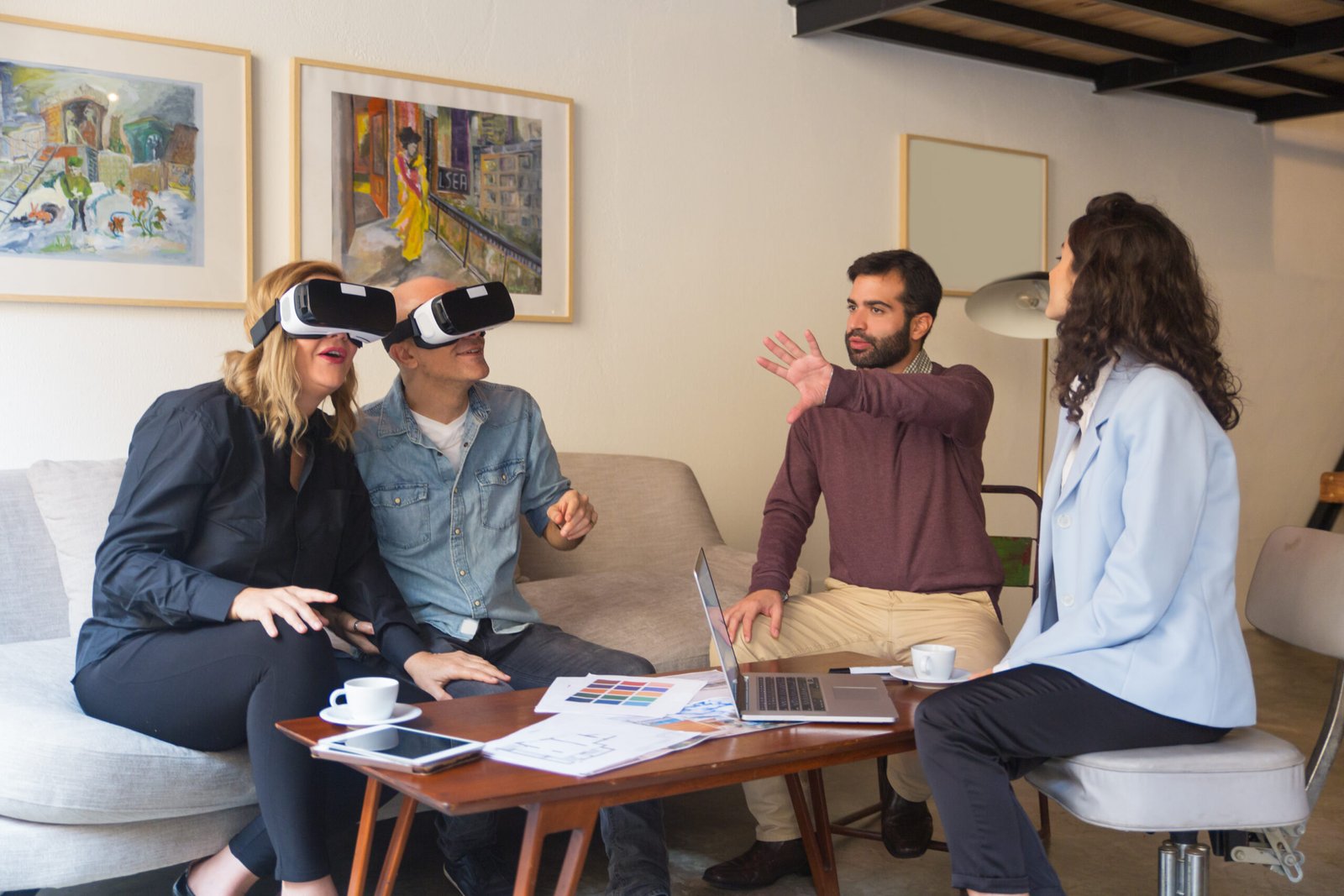
Teams can visualize BIM models, engineering designs, and system layouts at true scale in real space. Mixed Reality improves coordination across engineering, MEP, and construction teams by identifying clashes early and aligning stakeholders before execution.

Safety Scenario Simulation

Mixed Reality allows controlled simulation of hazardous situations while maintaining awareness of the physical environment. Workers can practice safety procedures, hazard identification, and emergency response without exposure to real-world risk.

Remote Collaboration & Expert Support

Multiple users can collaborate in shared Mixed Reality environments. Remote experts can provide real-time guidance, annotations, and decision support, reducing travel requirements and accelerating problem resolution.

How Mixed Reality Solves Industry-Specific Challenges

Mixed Reality helps organizations address complex operational, training, and planning challenges by merging real-world environments with interactive digital data. This results in improved accuracy, efficiency, and execution across industries.

Mixed Reality in Manufacturing

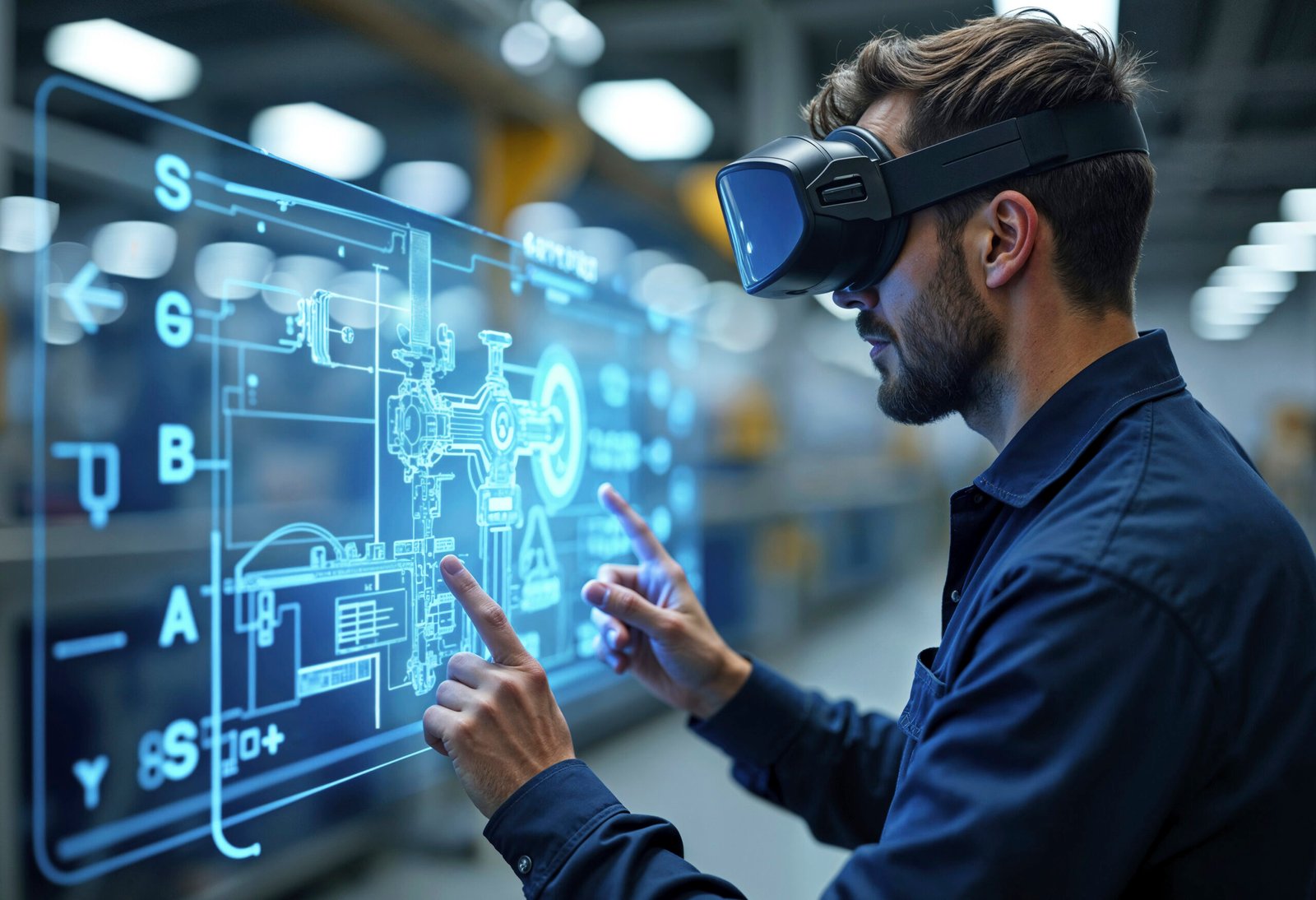
In manufacturing environments, Mixed Reality overlays digital work instructions, 3D models, and process data directly onto physical equipment. This supports assembly guidance, quality inspections, process optimization, and operator training, helping reduce errors and improve productivity.

Mixed Reality in Construction and Infrastructure

Mixed Reality enables on-site visualization of BIM models and design data. Teams can validate construction sequencing, detect clashes, and improve coordination between design and execution, resulting in fewer reworks and improved project timelines.

Mixed Reality for Mining and Heavy Engineering

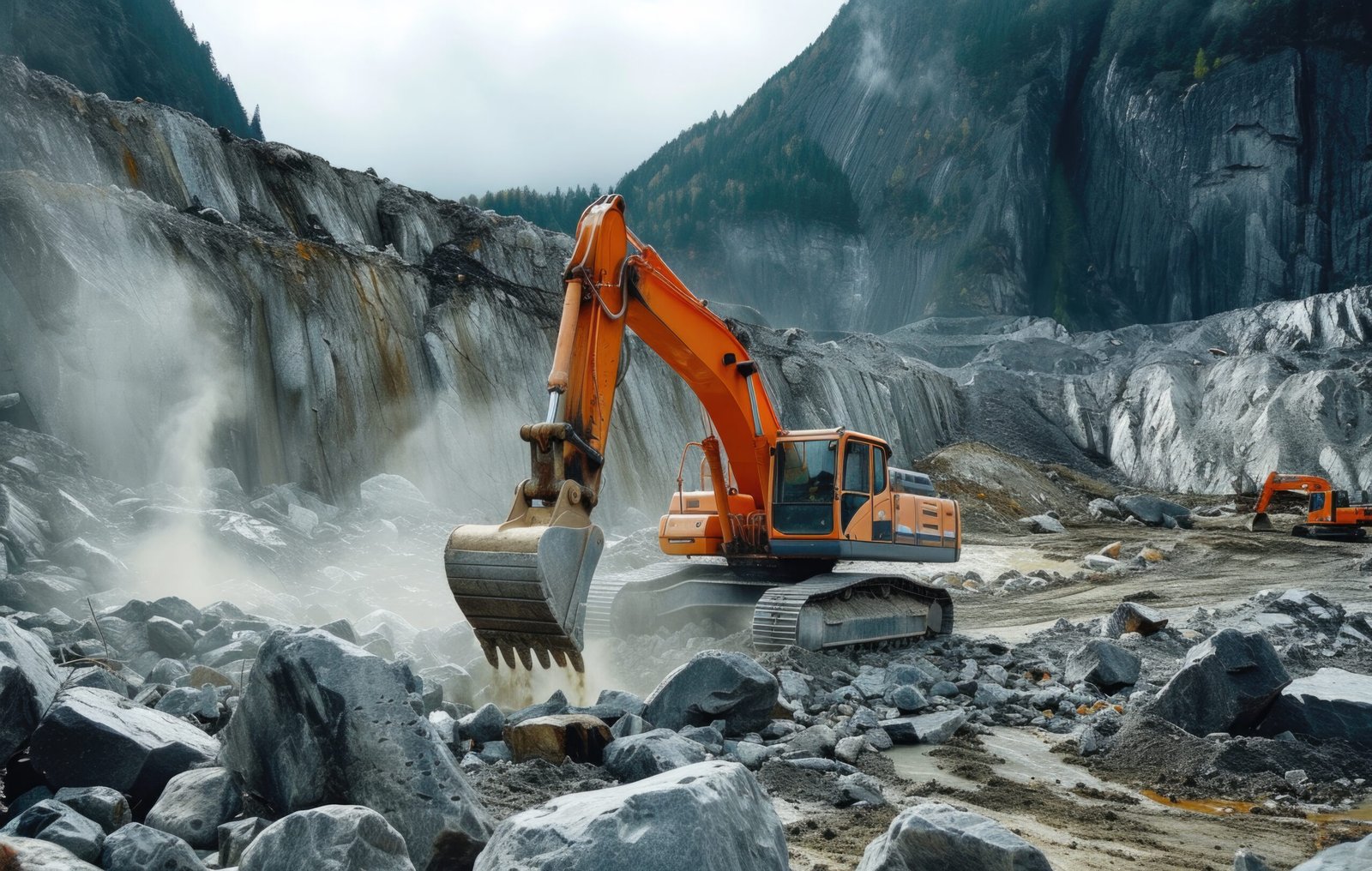
In mining and heavy engineering, Mixed Reality supports safety training, equipment familiarization, and operational planning. Workers can understand complex systems, identify hazards, and rehearse procedures while maintaining situational awareness in real environments.

Mixed Reality for Operations and Maintenance

Mixed Reality applications allow technicians to interact with digital twins, system diagrams, and maintenance instructions mapped onto real assets. This improves fault diagnosis, reduces downtime, and ensures maintenance tasks are executed accurately.

Mixed Reality in Training and Skill Development

MR-based training provides immersive, hands-on learning experiences that improve skill retention and workforce readiness. It is particularly effective for technical, equipment-based, and safety-critical training programs.

Our Mixed Reality Development Approach

CHRP-INDIA follows a structured, enterprise-ready development process to ensure Mixed Reality solutions deliver measurable business value:

  1. Use-Case Analysis & Requirement Mapping – Understanding workflows, environments, and objectives
  2. Experience Design & Storyboarding – Designing intuitive MR interactions
  3. D Modeling & Environment Mapping – Creating accurate, high-fidelity digital assets
  4. Application Development & Integration – Building scalable MR applications aligned with existing systems
  5. Testing & Validation – Ensuring performance, accuracy, and usability in real environments
  6. Deployment & Support – Ongoing optimization, updates, and performance monitoring

Hardware & Deployment

Mixed Reality solutions are typically delivered through head-mounted devices and smart glasses that support spatial mapping, gesture interaction, and real-world anchoring. Hardware selection depends on use case complexity, environment conditions, and operational requirements.

Cost & Customization Considerations

The cost of Mixed Reality solutions depends on factors such as application complexity, level of customization, 3D asset development, system integrations, and deployment scale. CHRP-INDIA delivers fully customized MR solutions aligned with industry workflows, ensuring practical adoption and long-term ROI.

Our Trusted Partners

Frequently Asked Question’s Mixed Reality

Mixed Reality blends digital content with the real environment, allowing users to interact with virtual models while staying aware of their physical surroundings. Unlike Virtual Reality, MR does not fully isolate the user from the real world.

Mixed Reality is widely used in manufacturing, construction, mining, infrastructure, engineering, logistics, and training environments where real-time visualization and hands-on interaction improve accuracy and decision-making.

By overlaying digital instructions, 3D models, and real-time data onto physical assets, Mixed Reality helps teams follow correct procedures, identify issues early, and minimize rework or execution mistakes.

Yes. Mixed Reality enables interactive training directly within real work environments, allowing users to practice tasks, understand equipment, and learn processes safely without disrupting operations.

Mixed Reality is well-suited for operations and maintenance tasks, as it provides contextual information, system guidance, and visual support without requiring technicians to leave the work area.

Mixed Reality solutions are commonly delivered through head-mounted devices and smart glasses that support spatial mapping and real-world interaction, depending on project requirements and use cases.

Mixed Reality applications can be fully customized to match industry workflows, equipment, environments, and operational objectives, ensuring practical adoption and measurable business value.

TOP